Combining funding with mentorship for sustainable nonprofit capacity building
Nonprofit capacity building works best when funding comes with mentorship. See how one credit union rebuilt operations, governance, and long-term sustainability with both.

Nonprofits are constantly faced with difficult decisions, but when confronted with financial struggles, what kind of help will best sustain them into the future? One option is to combine grant funding with mentorship resources. Together, these options provide expertise and technical assistance to ensure the organization can build resilience for the long term.
As a result of the hardships of the pandemic, Richmond Heritage Federal Credit Union (RHFCU), the last Black-led community banking institution in Richmond, Virginia, was forced to consider consolidation due to regulatory and compliance challenges. With a four-decade legacy of creating access to financial resources for historically excluded communities, RHFCU was determined to remain open. Thanks to a connection made by its regulator, RHFCU formed a partnership with Self-Help Credit Union, and together they identified a path to rebuild RHFCU for its members. Self-Help not only served as a mentor and financial backer but also introduced an additional funder, the Jessie Ball duPont Fund.
This partnership illustrates how sustained investment, both financial and through mentorship, in infrastructure, people, and systems can lead to sustained nonprofit capacity building and community impact. The factors behind this success include identifying key challenges to rebuild operational capacity, aligning on priorities to solve for those challenges, and enhancing governance and operations for long-term growth.
Rebuilding the nonprofit’s operational capacity
To maximize the benefit of securing grant funding and a dedicated mentor, it’s critical that the partnership identifies the key challenges inhibiting the nonprofit’s success. There are several stakeholders to include in the process: your nonprofit leadership team, board of directors, the mentor, and the funder. Securing buy-in across these partners ensures the nonprofit team is aligned on their vision for the future and the partners can introduce the right resources.
Identify challenges. While identifying these key challenges, the nonprofit leadership’s willingness to change is a critical factor. If leadership encounters resistance from staff, the mentor and funding partner can help exert influence or bring additional resources to the table to build consensus around adaptation.
Important questions to consider to ensure your team is prepared for this change might include:
- Are we the strongest entity to contribute to our issue areas?
- Do we have a sustainable and diverse revenue model or are we too reliant on one source?
- What are the barriers we must overcome to achieve our desired outcomes?
To evaluate challenges, Self-Help team members across compliance, lending, finance, HR, training and development, and collections spent time at RHFCU. That direct engagement allowed them to evaluate operations in real time, review policies and practices, and work alongside staff to understand how decisions were being made and surface challenges around processes, staffing capacity, and governance.
Develop a growth plan. At RHFCU, the two main operational challenges were: 1) the need for additional staff to support core operations and member services; and 2) resolving compliance and regulatory obligations. In partnership with key stakeholders, RHFCU created a sustainable growth plan with measurable goals and objectives. Self-Help provided guidance on operations by unpacking the root causes of their challenges; helping to shape a five-year strategic plan based on industry trends and local market realities, not assumptions; and advising on a path to diversify the portfolio and deepen member relationships. The duPont Fund supported staffing costs to restructure, add positions, and improve alignment on operational priorities. With help from a compliance consultant, the credit union moved from regulatory distress to full compliance.
Aligning on nonprofit capacity building priorities to meet community needs
Set goals and allocate resources. Once a nonprofit has clearly defined its challenges, the organization can collaborate with its mentor and funder to set goals for each proposed solution and allocate resources. The goals should reflect a keen understanding of the community the nonprofit serves and ensure any changes enhance its ability to achieve its mission.
Strengthen offerings and technology. With insight from Self-Help’s experience managing a regional network of credit unions, RHFCU determined that more competitive product offerings and technology upgrades were essential for driving the member demand that would allow it to remain independent—its members expected the same products and services offered at traditional financial institutions. The credit union significantly expanded its loan and deposit products to better meet demand. It also introduced new technology needed to attract younger members and support an expanded membership for sustainable growth.
Enhancing governance and operations for long-term sustainability
Ensure stable management and an engaged board. In the duPont Fund’s experience funding hundreds of nonprofits around the country, creating durable momentum requires strong governance in the form of stable management and a supportive and engaged board. This enables the nonprofit to generate operating support by showcasing lessons learned and results of new programs.
To instill confidence between the nonprofit and its partners, the board makeup should encompass diverse professional expertise and provide rigorous financial accountability and strategic direction. This ensures there are guardrails in place to sustainably manage capital and navigate long-term uncertainties. For example, the nonprofit should show that it can support salaries and other expenses as they arise. By showing a credible plan, evidence of progress and responsible leadership, the nonprofit can signal to funders that they can continue independently for the long term.
Self-Help worked with the existing board to assess where expertise was needed, whether in finance, lending, compliance, or strategic leadership. They supported the process of identifying and recruiting board members with the right skills and perspective to complement existing leadership and better position the credit union for the future.
Self-Help and the duPont Fund’s support enabled RHFCU to make fundamental changes that strengthened the nonprofit’s capacity building and ability to serve and grow its membership.
When faced with a challenge as drastic as closing or consolidating, collaboration with experienced mentors and funders can provide the resources needed to rebuild. With the support of its partners, nonprofits can identify their challenges, align on priorities, and implement new strategies that lead to long-term sustainability to fulfill the mission.
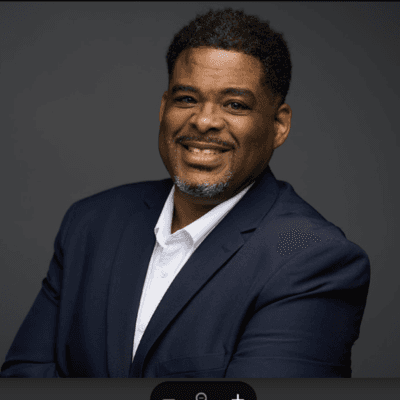
Photo credit: Richmond Heritage Federal Credit Union